bird
-
Trumpeter Swan

The trumpeter swan is a species of swan found in North America. The heaviest living bird native to North America, with a wingspan 6ft 2 in to 8 ft 2 in. It’s diet comprises mainly of fish. Their young are known as cygnets.
-
Canvasback

The Canvasback is a species of diving duck, the largest found in North America. The canvasback migrates through the Mississippi Flyway to wintering grounds in the mid-Atlantic United States and the Lower Mississippi Alluvial Valley.
-
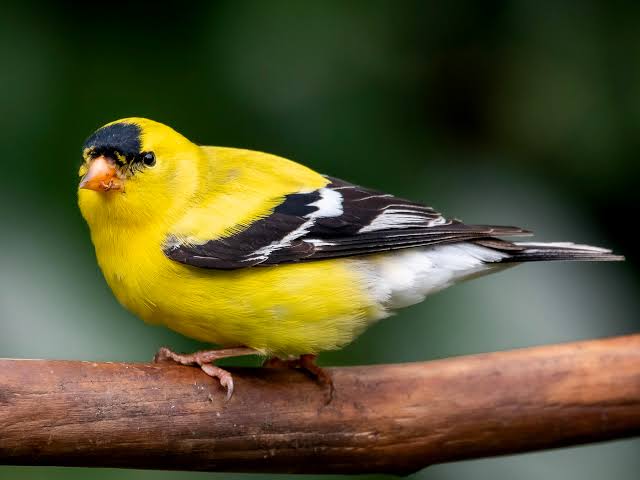
American Goldfinch

The American Goldfinch is a small North American bird in the finch family. It is monogamous. It flies in a distinctive undulating pattern, creating a wave-shaped path.
-
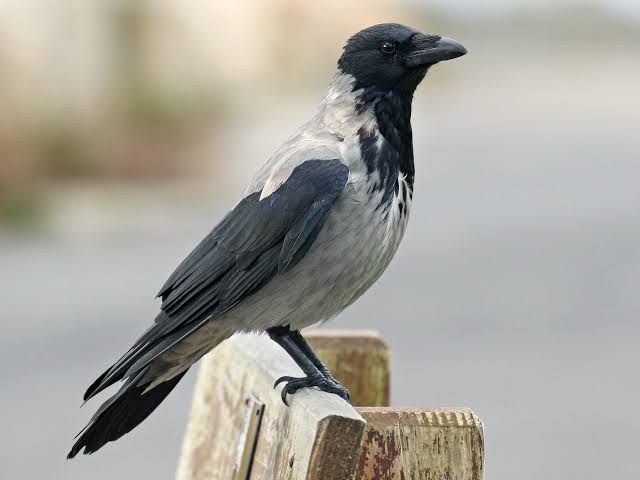
Hooded Crow

The Hooded Crow is a Eurasian bird species in the genus Corvus. Widely distributed, it is found across Northern, Eastern, and Southeastern Europe, as well as parts of the Middle East. The hooded crow is omnivorous and is a constant scavenger. They are incredibly smart.
-
Jabiru

The Jabiru is a large stork found in the Americas from Mexico to Argentina. The jabiru lives in large groups near rivers and ponds, and eats prodigious quantities of frogs, fish, snakes, snails, insects, and other invertebrates.
-
Lava Gull

The Lava Gull, also known as the dusky gull, is a medium-sized gull and a member of the “hooded gull” group. The entire population lives on the Galapagos Islands where it is found predominantly on the islands of Santa Cruz, Isabela, San Cristobal and Genovesa. It is currently considered the rarest gull in the world. Vulnerable.
-
Weka

It is endemic to New Zealand. As omnivores, they feed mainly on invertebrates and fruit. Where the weka is relatively common, their furtive curiosity leads them to search around houses and camps for food scraps, or anything unfamiliar and transportable. They have been known to take shiny objects in particular. Vulnerable.
-
White Bellied Treepie

The White Bellied Treepie is a bird of the crow family endemic to the forests of southern India. It eats fruits, seeds, nectar, invertebrates, reptiles, rodents, nestlings and eggs.
-
European Bee-eater

The European Bee – Eater is found in southern and central Europe, northern and southern Africa, and western Asia. As the name suggests, bee-eaters predominantly eat insects, especially bees, wasps. Before eating a bee, the European bee-eater removes the sting by repeatedly hitting the insect on a hard surface.