poem
-
Grey Hornbill

The female is known to seal the entrance of the hole with mud pellets, food &, her droppings for laying an egg. It is upto the male to feed both the female & the chick. The adults have red iris, while juveniles have orange eyes.
-
Philippine Eagle

The Philippine eagle, also known as the monkey-eating eagle, is a critically endangered species endemic to forests in the Philippines. The diet of the Philippine eagle comprises of mainly monkeys, Philippine deer, flying squirrels, flying lemurs, civets, snakes, monitor lizards & bats. Avian prey includes owls & hornbills.
-
Toucan

Its nest is not lined and is usually on some wood chips or seeds. The incubation is done by both males and females, but neither sits on the nest for longer than an hour and the eggs are uncovered a lot of the time. They sometimes eat the eggs of other birds.
-
Steller’s Sea Eagle

It is a large diurnal bird of prey in the family Accipitridae. The wingspan is up to 6 to 8 ft. Steller’s sea eagles mainly feed on fish. Water birds taken by this species include ducks, geese, swans, cranes, herons, and gulls. It’s eggs are greenish white in colour. According to Guinness Book Of World Records, this is the largest eagle species in the world.
-
Kagu
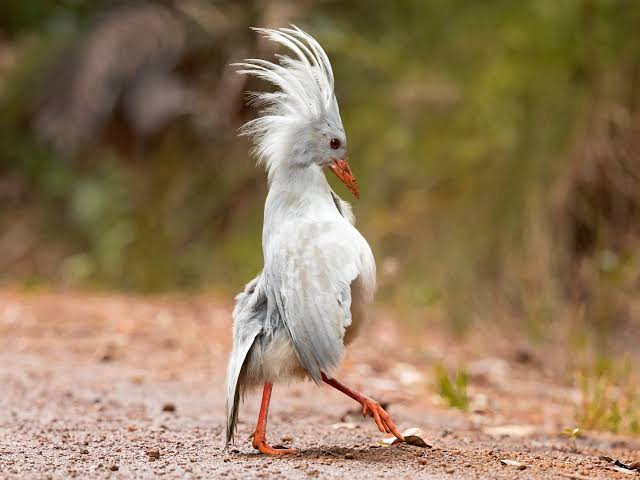
It lays only one egg per litter. It’s the only surviving species left of the family Rhynochetidae and genus Rhynochetos. Monogamous. Critically endangered.
-
Gyrfalcon

The largest falcon. It breeds on Arctic coasts and tundra, and the islands of northern North America. Avian prey can range in size from redpolls to geese and can include seagulls, crows, and other smaller raptors. Mammalian prey can range in size from shrews to marmots (sometimes thrice the weight of the assaulting falcon), and often includes, ground squirrels, hares and bats. Even large predators like brown bears and golden eagles have been…
-
Martial Eagle
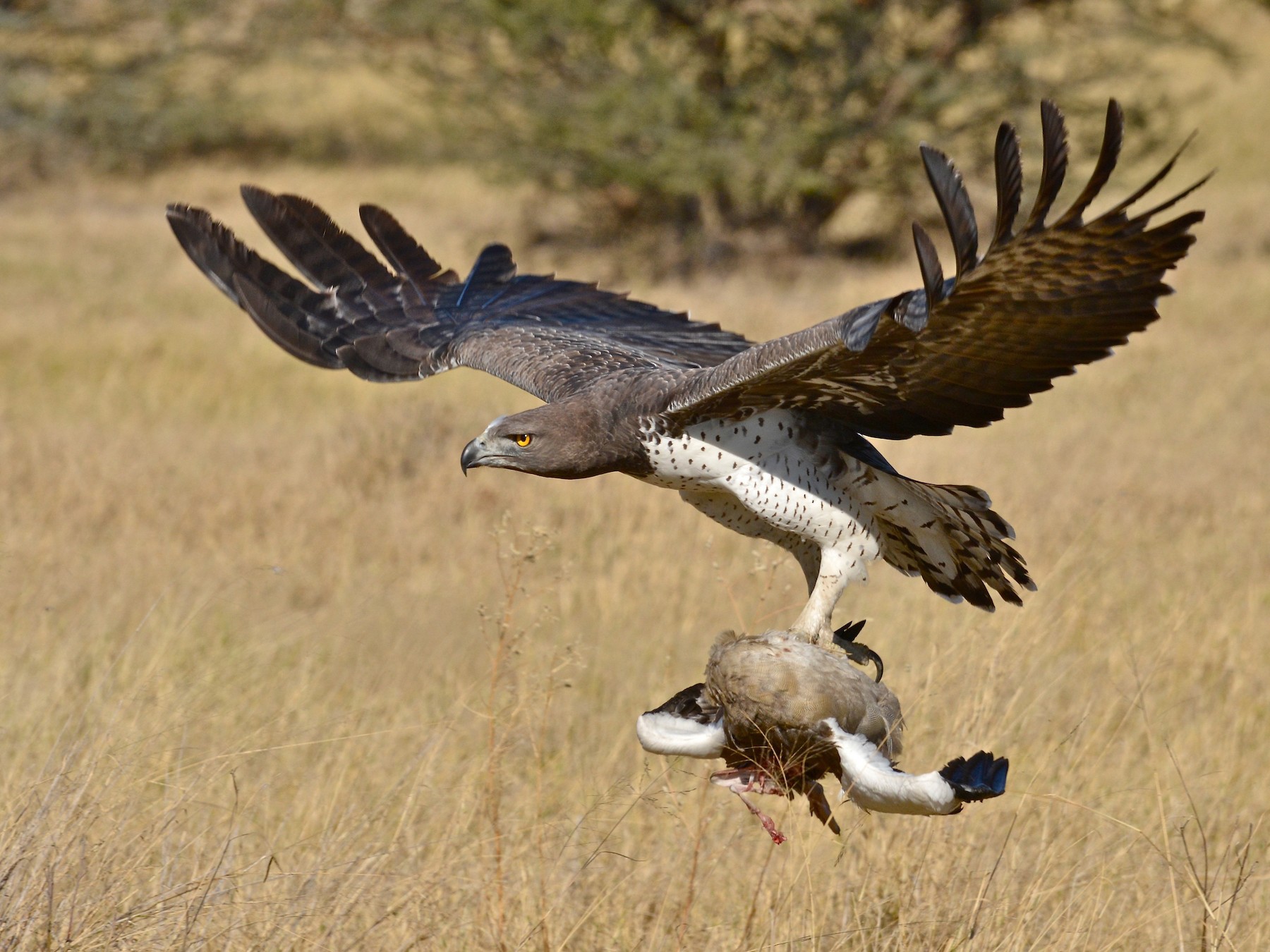
It is a large eagle native to sub-Saharan Africa. It is one of the world’s most powerful avian predators. Prey includes monitor lizards, venomous snakes, jackals and medium-sized wild cats. Prey may often be spotted from 3 to 5 km away with a record of about 6 km. Largest African eagle. Endangered.
-
Gannet

Lives as long as 35 years of age in the wild. Eggs are pale blue-green Their chicks also make sounds while begging for food from parents and ‘yap’ when a stranger comes near the nest. These birds can reach an average of 100 kmph when northern gannets dive to prey on fish.
-
Bateleur

This species is native to broad areas of Sub-Saharan Africa. The bateleur is a very effective discoverer of carrion. Among their prey, mammals, birds and reptiles, roughly in that order, seem to be considerably preferred over other prey taxon.eggs are colloured white with reddish markings. Endangered.