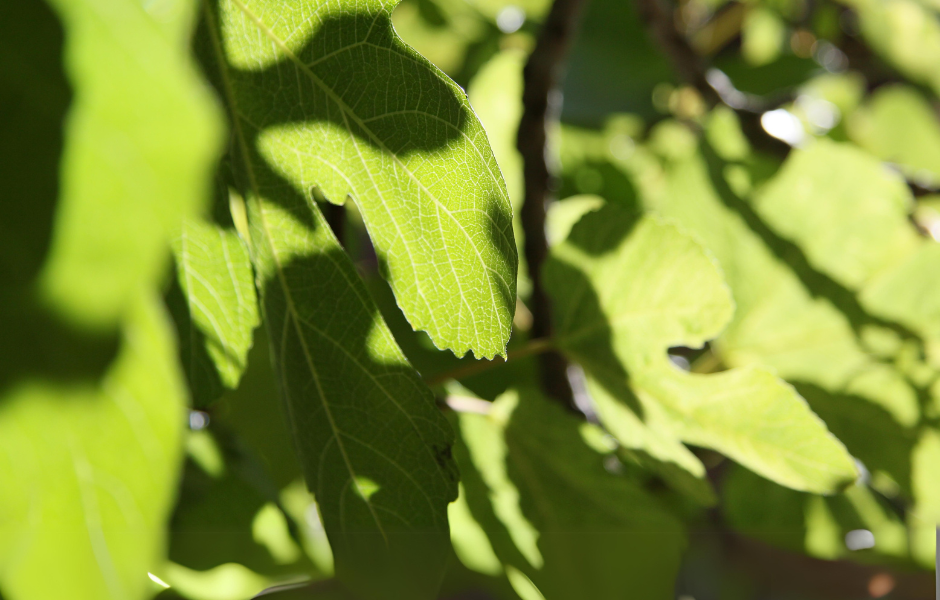
The tropical climate (equatorial) is known for harsh sunlight and high temperature during summers. Both these conditions hinder photosynthesis.
Light
The excess light means that plants are light saturated. Photosynthesis actually declines in the intense light, and energy built into the plants may be less in sunlight than in partial shade. Shade (down to a level of 20% sunlight) is of great benefit in sunny equatorial climates.
Temperature
The temperatures above 25°C sharply decrease photosynthesis efficiency.
In tropics, to get the best crop results, following strategies can be applied;
- The ideal of steady low light/low temperature conditions may be at times achieved below the closed forests of tropical mountains, but these sites are very limited in extent.
- It should be feasible to assist tropical crop yields by spacing permeable-crowned trees throughout crops to reduce both light and temperature. There are a good many observations to suggest that crops under leguminous trees do much better in the tropics than a crop standing on its own.
- Part of the problem in tropics (both for biomass production and nutrition) is that non-adapted temperate crops are persistently grown. True tropical plants can not only stand much higher levels of light before saturation, but can also maintain photosynthesis at low (0.10%) carbon dioxide. Growing native species are the way to go.
Leave a Reply