poem
-
Flameback

The black-rumped flameback, also known as the lesser golden-backed woodpecker or lesser goldenback, is a woodpecker found widely distributed in the Indian subcontinent. It has a characteristic rattling-whinnying call and an undulating flight. They forage from the ground to the canopy. They feed on insects mainly beetle larvae from under the bark, visit termite mounds and sometimes…
-
Pangolin

The Indian Pangolin also called thick-tailed pangolin and scaly anteater is a pangolin native to the Indian subcontinent. It is an insectivore feeding on ants and termites, digging them out of mounds and logs using its long claws, which are as long as its fore limbs. It is nocturnal and rests in deep burrows during the day. Its tongue is longer than its body. Endangered.
-
Golden Crowned Flying Fox

The Giant Golden Crowned Flying Fox is a species of megabat endemic to the Philippines. Owing to deforestation and poaching for bushmeat, it’s an endangered species. It is largely frugivorous, though it also consumes plant leaves. it’s preyed on by several raptors including the Philippine eagle, white-bellied sea eagle, and possibly the Brahminy kite.
-
Red-Vented Bulbul

Red-vented bulbuls feed on fruits, petals of flowers, nectar, insects and occasionally house geckos. They breed from June to September and lay two or three eggs in a typical clutch. The eggs are pale-pinkish with spots of darker red. They are very brave,&, are first to mob a predator. Often squabbling with red whiskered bulbul.…
-
The Wile Crocodile

-
Burrowing Owl

-
Birds @ Forest Hut
-
Knobbed Hornbill
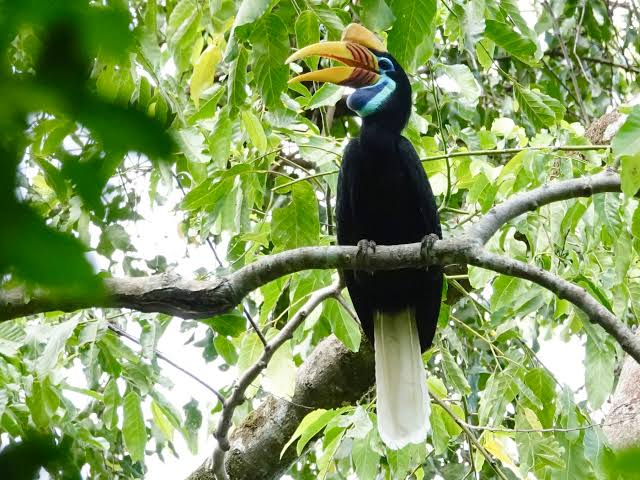
The Knobbed Hornbill, also known as Sulawesi Wrinkled Hornbill, is a colourful hornbill native to Indonesia. As with other hornbills, the knobbed hornbill is believed to be monogamous. Its diet consists mainly of fruits, but it will also take insects and small vertebrates. They are important seed dispersers in their habitat and influence the initial fate of seeds…
-
Turkey Vulture

In some North American states, it is known as turkey buzzard. Black vultures and eagles often challenge these scavenger birds while feeding. The turkey vulture vomits in response to offer its challenger their ingested food. Turkey vultures have an extremely developed olfactory system that allows the birds to smell carrion from over a mile’s distance.